Global · Sound culture
The Speakers Remain
Luxury listening bars are everywhere, but their sound arrives from somewhere. Jamaican street dances and Japanese jazz kissa built two traditions around collective listening.
31 July 2026
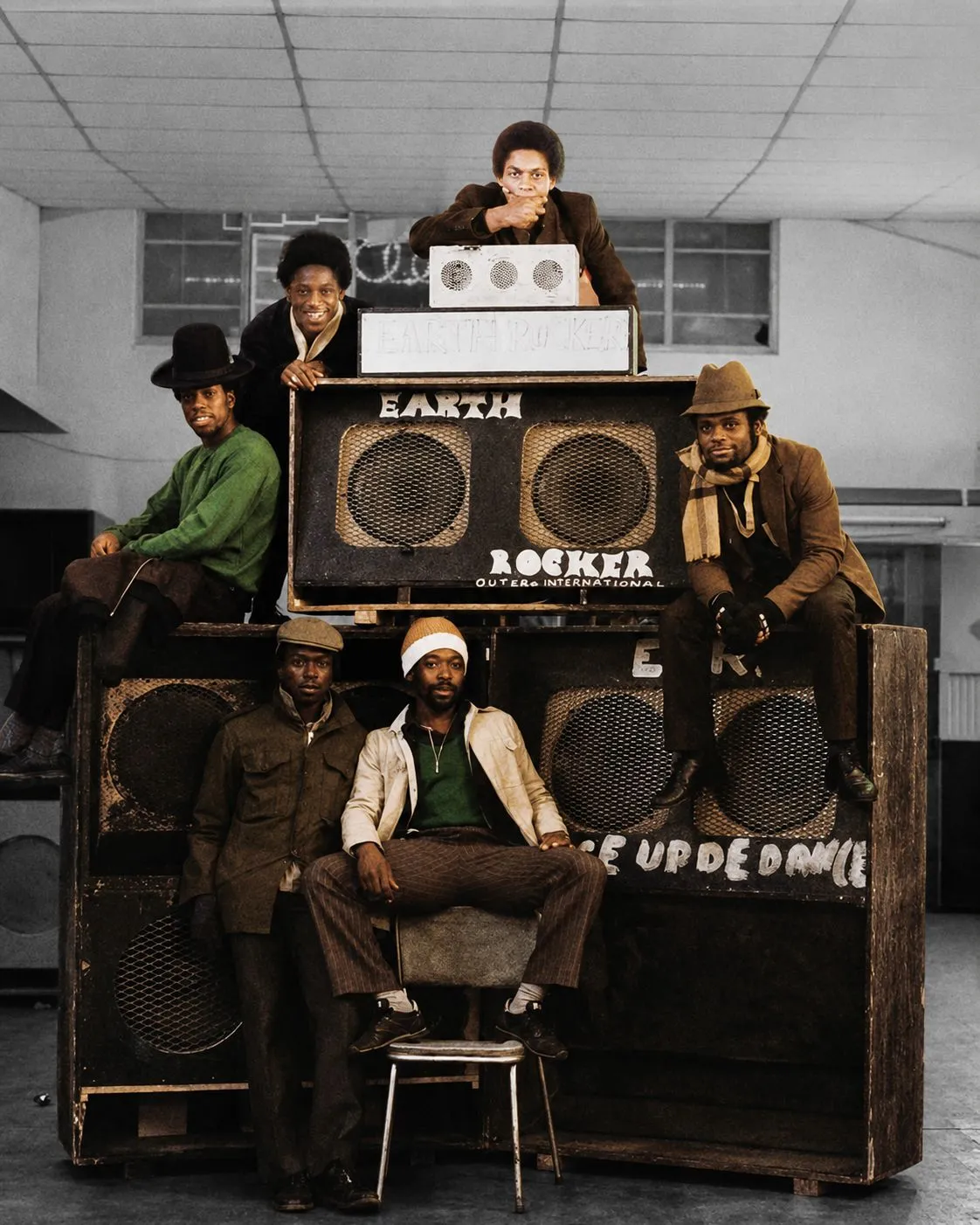
Luxury sound systems and listening bars are everywhere. From London to Los Angeles, Mexico City to Melbourne, the formula is familiar: custom speakers, rare vinyl, low lighting and expensive cocktails. The polished rooms can make it look like a new design language. It is not. Their atmosphere comes from two communities on opposite sides of the world.
The sound system was the event
In 1950s Jamaica, working-class operators assembled turntables, amplifiers, generators, custom speaker cabinets and powerful bass bins. They carried the equipment into neighbourhoods and created open-air dances without relying on an established nightclub or a live band.
The sound system was not background equipment. It was the main event. The speaker stack became a source of power, identity and reputation, while the selector, MC and crowd shaped what happened around it. Jamaica did not invent the loudspeaker. It built a culture around one.

That culture travelled. Born in Jamaica and raised in the Bronx, DJ Kool Herc combined the logic of the Jamaican sound system with New York funk and soul. By extending instrumental breaks at his parties, he helped lay the foundations of Hip-Hop. A mobile neighbourhood institution became part of a new global musical language.
Listening became a ritual
In Japan, collective listening took another form. From the 1920s onward, music cafés gave ordinary customers access to imported records and audio equipment that most could not afford at home. After the war, the jazz kissa became an institution.
These rooms featured large JBL, Altec or custom speakers and extensive jazz collections. Seats faced the system. Albums played without interruption. Conversation stayed to a minimum. Where the Jamaican sound system made music physical and let the crowd shape the event, the jazz kissa made listening a ritual and placed the recording at the centre.
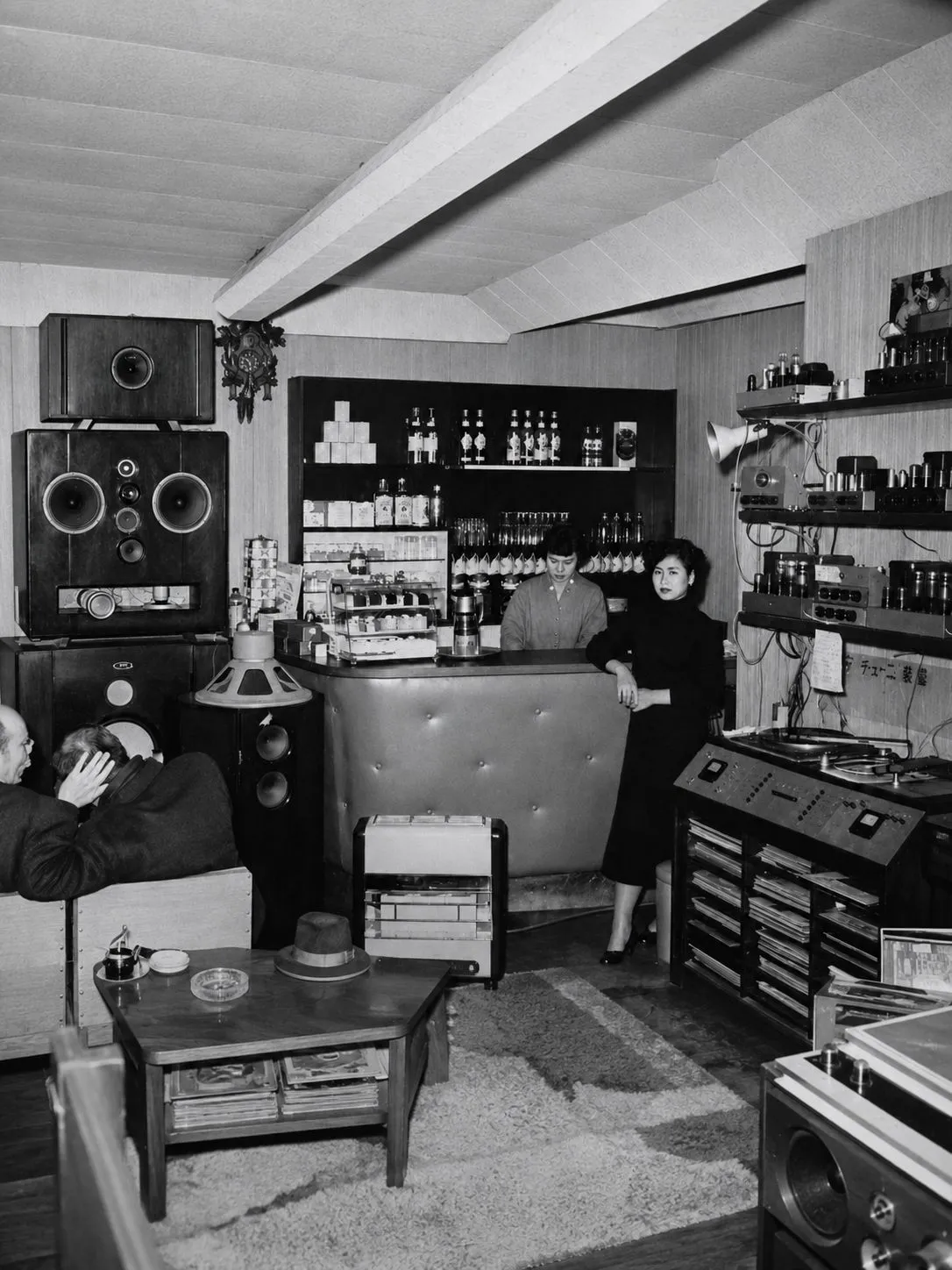
The two traditions moved in opposite ways, but both created shared access to equipment and music that sat beyond most people’s reach.
When access becomes atmosphere
Today, listening bars, galleries, fashion stores and hospitality spaces borrow from both cultures. Designers such as Devon Turnbull of OJAS have helped turn custom audio systems into complete cultural environments. As visual design becomes easier to copy, sound offers brands another way to create atmosphere and distinction.
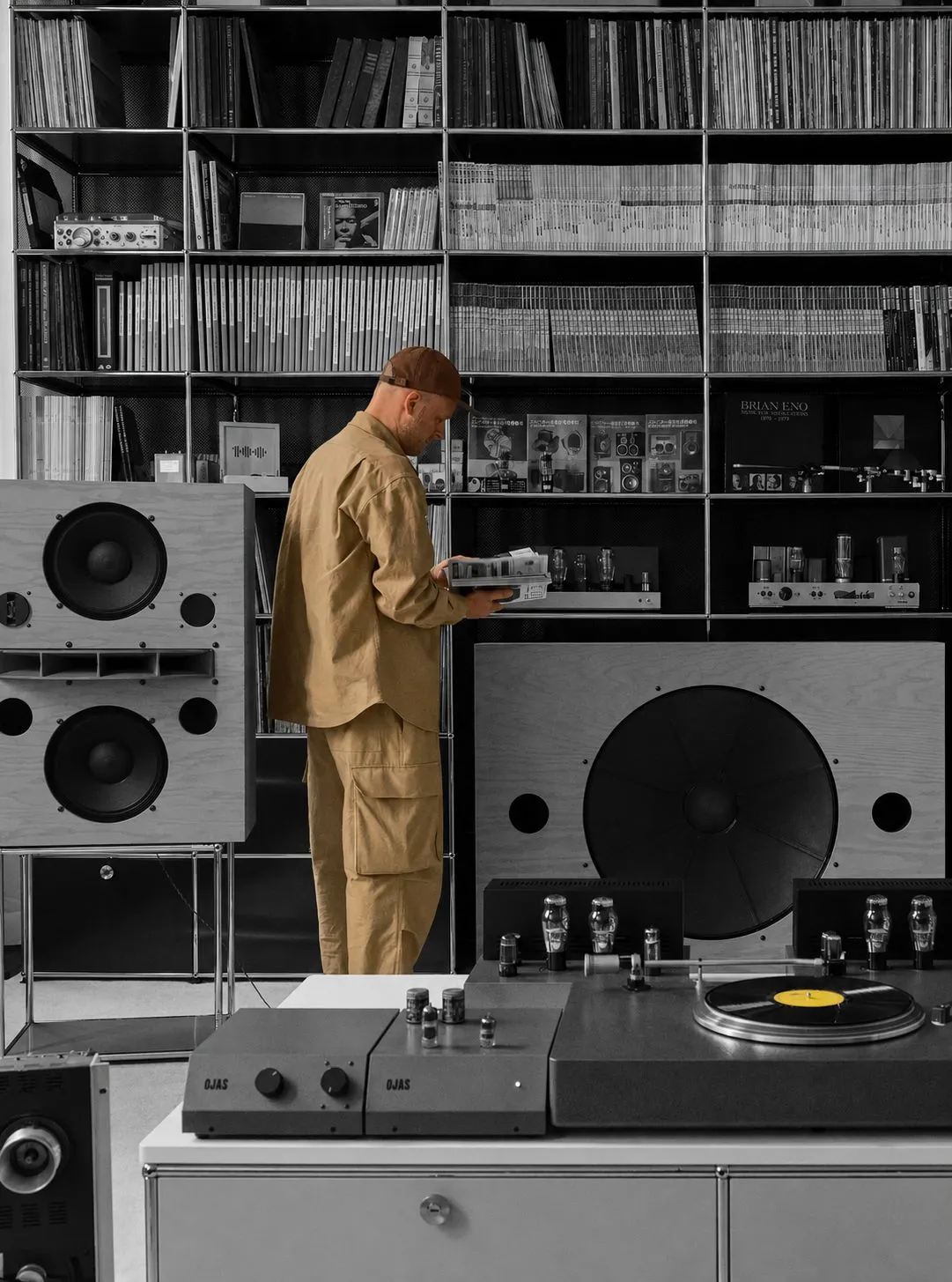
A custom system can signal taste, but it can also reduce living traditions to interior decoration. In Jamaica, sound systems created culture outside established boundaries. In Japan, jazz kissa opened rare music and equipment to ordinary listeners. What began as shared access is increasingly sold as exclusivity.
The speakers remain. The harder question is whether the communities that first gathered around them remain part of the story.