New York · Public space
Somewhere to Happen
The real culture war is over space. Every culture needs somewhere to happen, and a new report asks whether cities will make gathering possible for everyone.
3 July 2026
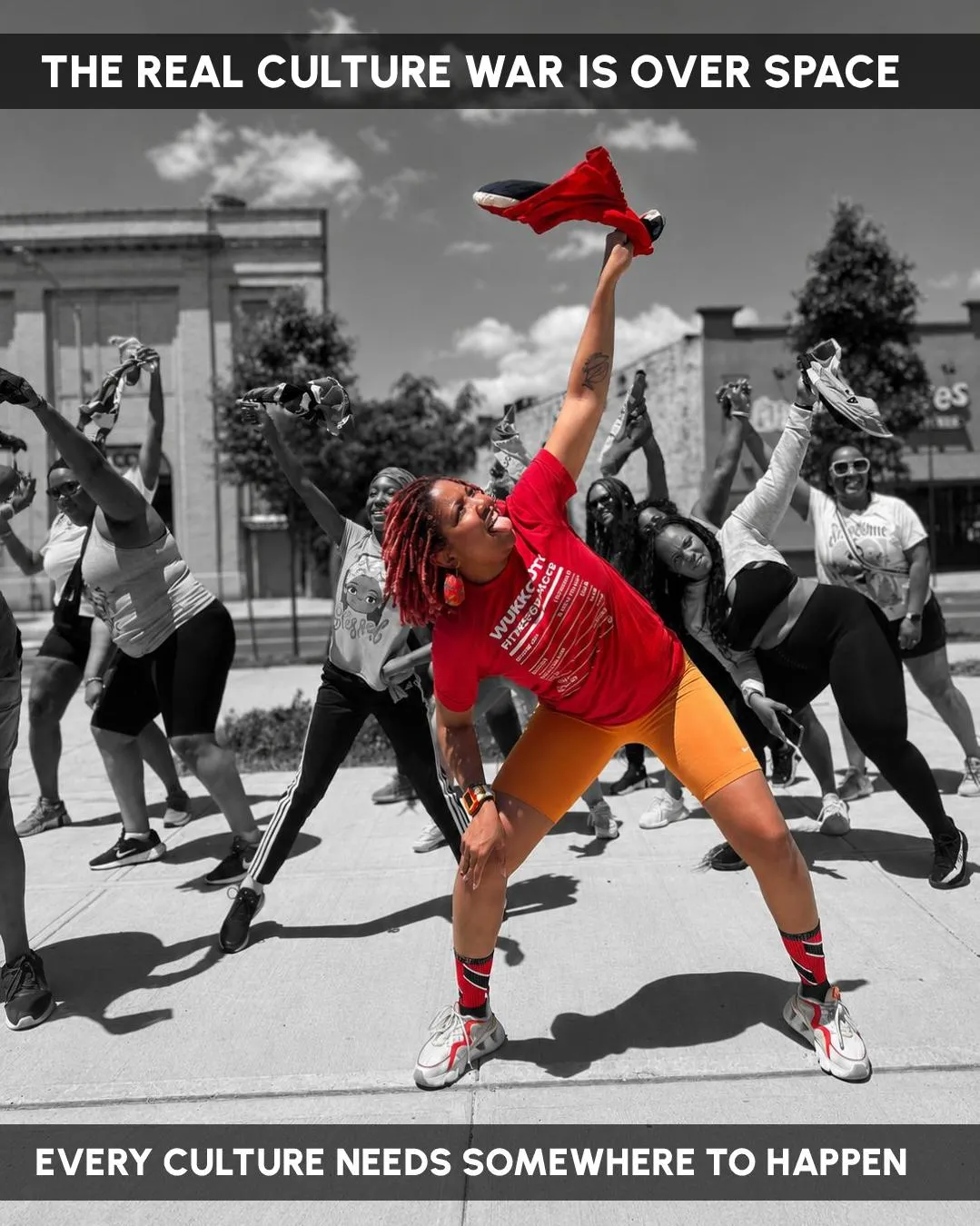
The global image of New York was not created only by Hollywood or Madison Avenue. It emerged through scenes: Hip-Hop block parties, downtown art, ballroom culture, street fashion, basketball, dance, food and nightlife. All of those scenes needed the same raw material, accessible space where people could gather and experiment. The real culture war is over that space, because every culture needs somewhere to happen.
The barrier is paperwork
Nearly 30,000 public events animate New York every year, yet the system for making them happen remains needlessly difficult. The barrier is not imagination. It is permits, insurance, agency approvals, street closure rules, fees, unclear timelines and outdated digital tools, with different rules for different spaces. UNTAPED, the new report from the Design Trust for Public Space, describes exactly how those permitting burdens limit who gets to activate the city’s shared ground.
Demand is heading the other way
Meanwhile, the appetite for gathering keeps growing and keeps changing shape. Young adults are drifting away from alcohol-led nightlife toward what Mintel calls sober socialising: running clubs, chess, mahjong, craft nights, supper clubs. The activity is the excuse. The real product is belonging.
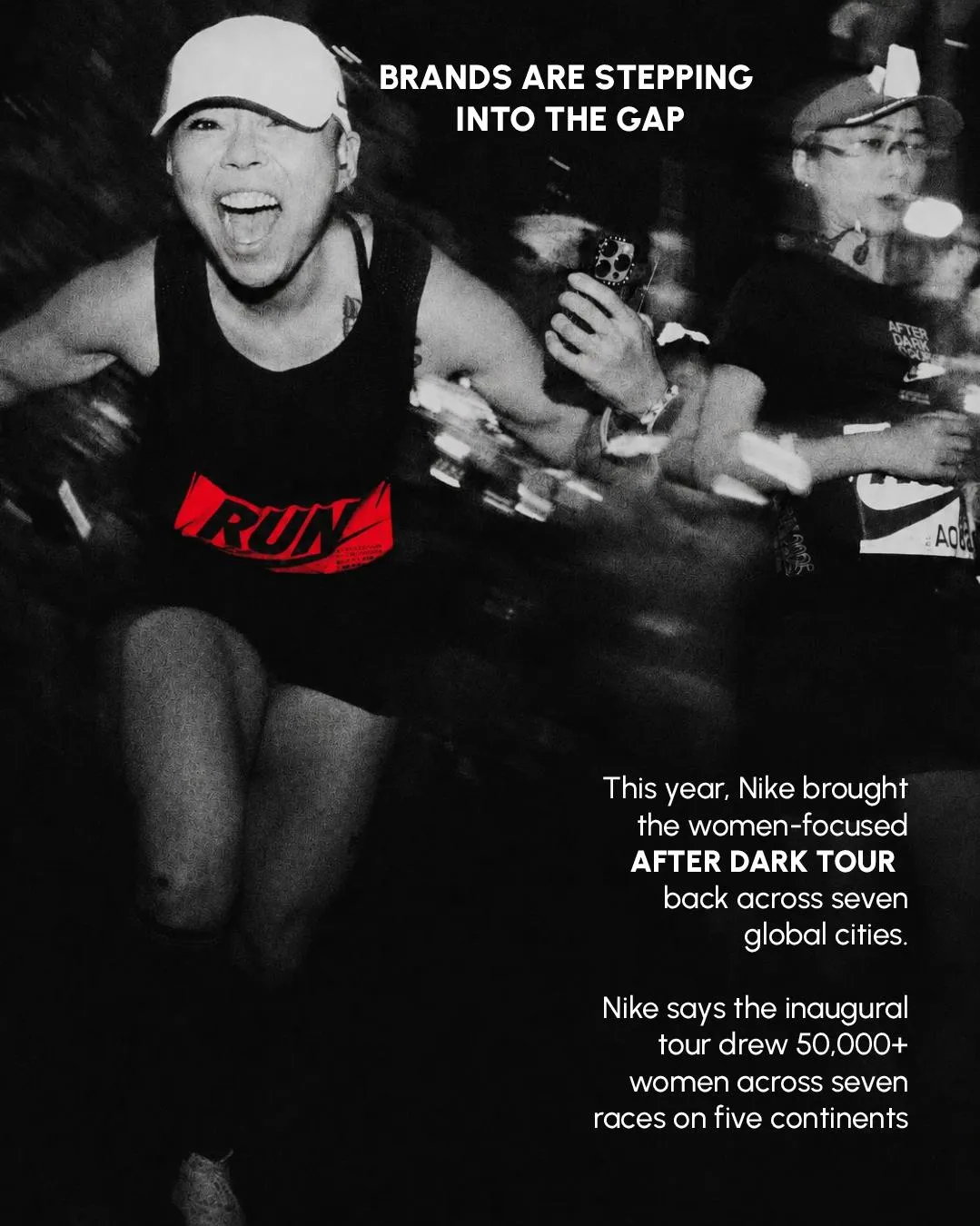
Brands have noticed the gap. Nike brought its women-focused After Dark Tour across seven global cities after the inaugural series drew more than 50,000 runners. HYROX turned a fitness format into a travelling community, with 1.3 million participants expected across its next season. Same ritual, different cities, shared identity. This is the trillion-dollar experience economy in motion, and smart brands are already building inside it.
Brands are the signal, not the story
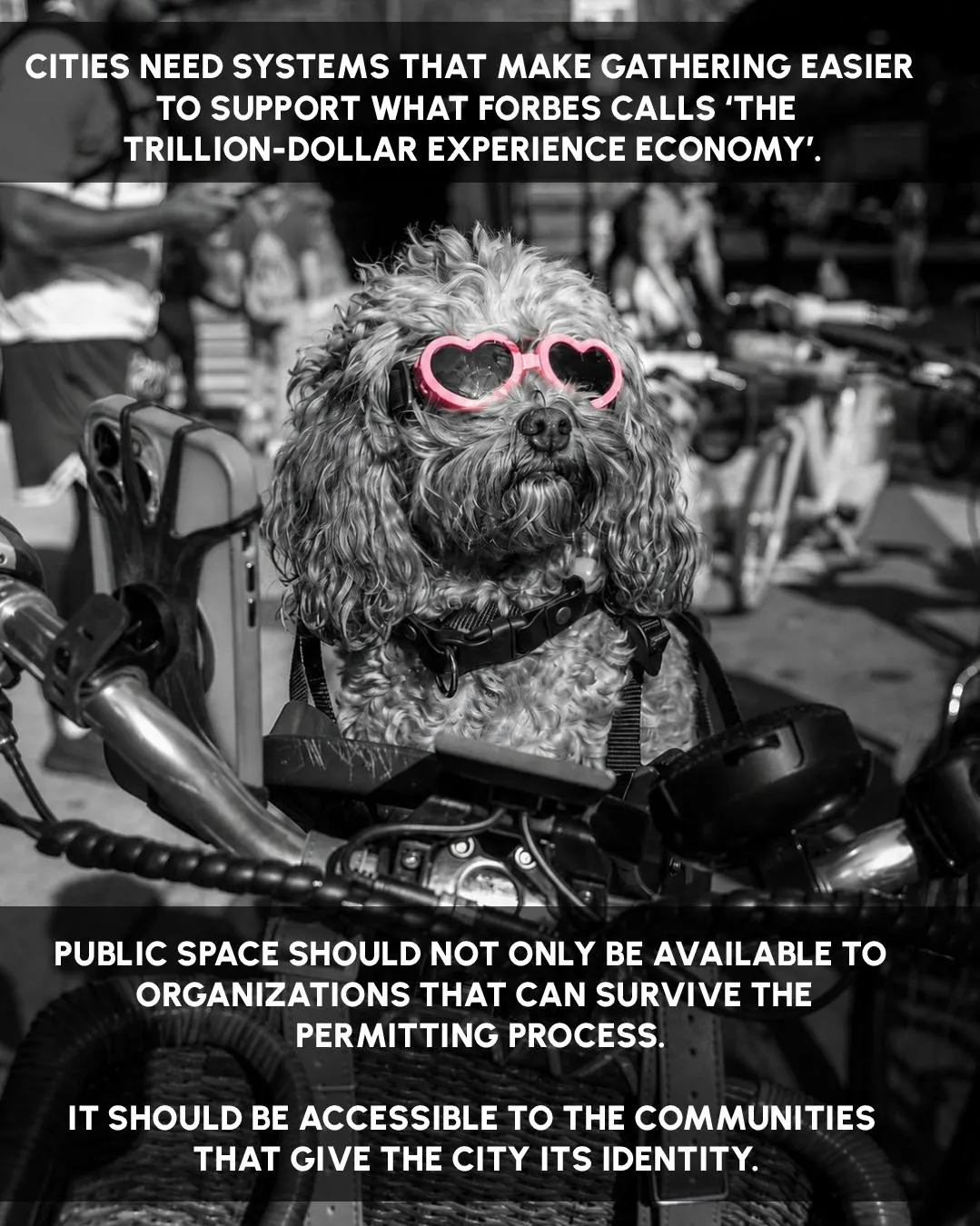
But brands are not the story. They are the signal that demand has outrun supply. Public space should not be available only to organizations that can survive the permitting process. It should be accessible to the communities that give a city its identity, because they are the ones who made its image in the first place. The real question is whether cities will make gathering possible for everyone else.