London · Live music
When Live Music Removes the Gate
As ticket prices climb, Limitless Live and other organisers are treating access as part of the creative idea, not an afterthought.
4 September 2026

The cost of being in the room has changed. According to historical Pollstar box-office data, the average ticket price for the top 100 tours rose from $26 in 1996 to $136 in 2024. For the most in-demand shows, dynamic pricing and resale can push the final figure higher still.
That increase is usually discussed as a pricing problem. Tolu Farinto saw a creative one. After watching Jay-Z and Kanye West rise above an arena on illuminated cubes during the Watch the Throne tour, he understood what a major live show could set in motion. The question was why that feeling should remain behind a price many young people could not afford.
Free is part of the format
Farinto founded Limitless Live around a simple decision: the audience would not pay for admission. The annual event at London’s Roundhouse uses support from brands and a network of charity and community partners to place young people from underrepresented backgrounds inside one of the city’s best-known music venues.
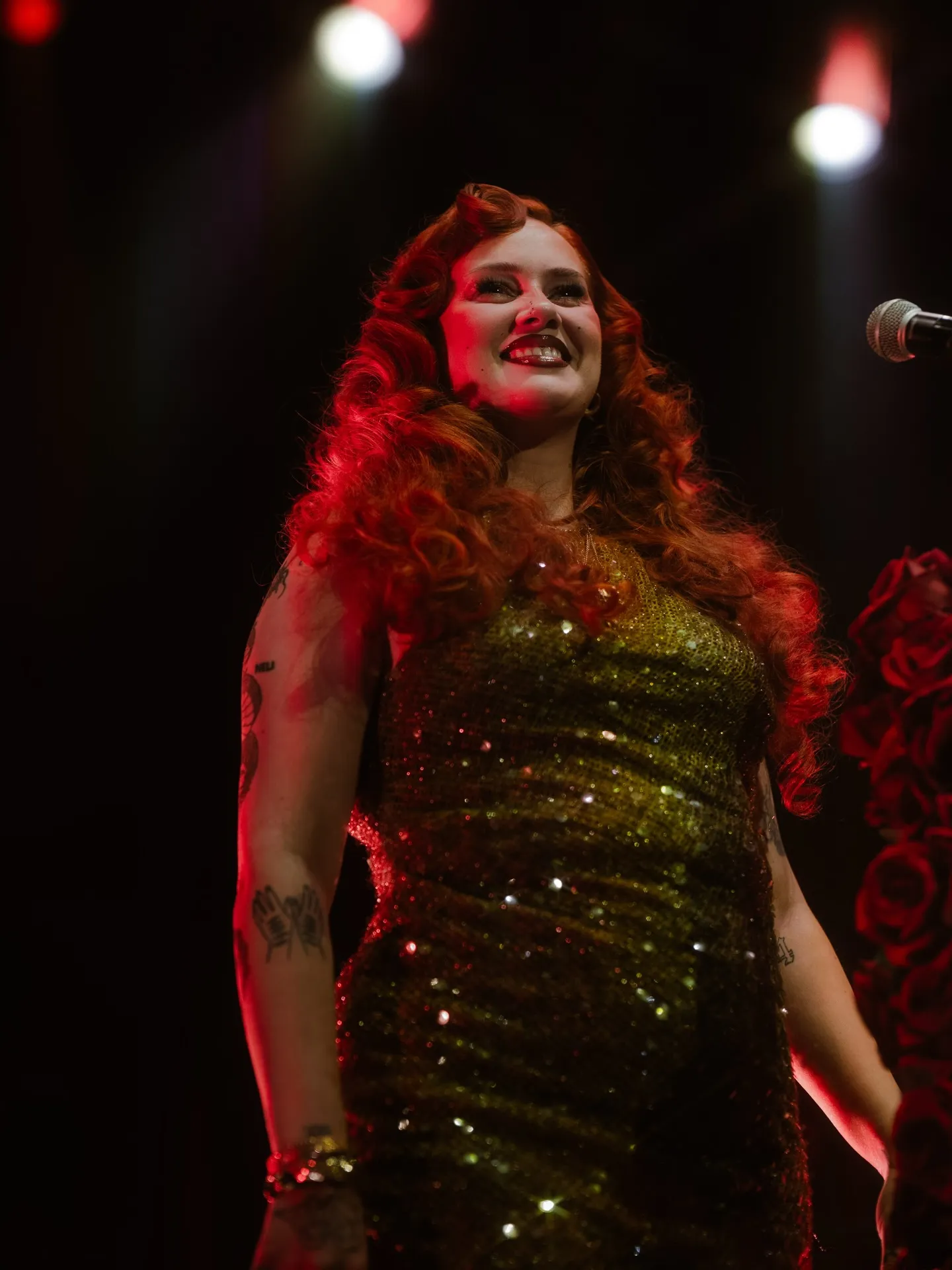
Limitless Live says it reached more than 12,000 young people and worked with over 150 charity and community partners in its first five years. The evening concert is only one part of the offer. Panels, networking sessions, creative masterclasses and artist mentorship turn access to a show into access to people and possible paths through the industry.
For its fifth anniversary in 2026, the Roundhouse billed Sasha Keable as headliner. Previous editions brought artists including RAYE, Young T & Bugsey, Ms Banks, K-Trap and Krept & Konan to an audience assembled without a ticket price.
Free does not mean frictionless. Capacity remains limited. Registration, transport, age restrictions and partner distribution can still shape who gets through the door. Nor does the concert become costless. Sponsors and partners take on the expense instead. But removing payment changes the first question from “Can you afford this?” to “How do we get you here?”
From ticket to territory
In New York, artist and creative strategist Zay Lewis has approached the same problem from another direction. PULL places songs at locations on a 3D map. An artist chooses a meaningful spot and sets a radius, from a doorway to a city block. A listener has to physically enter that area before the track will play.
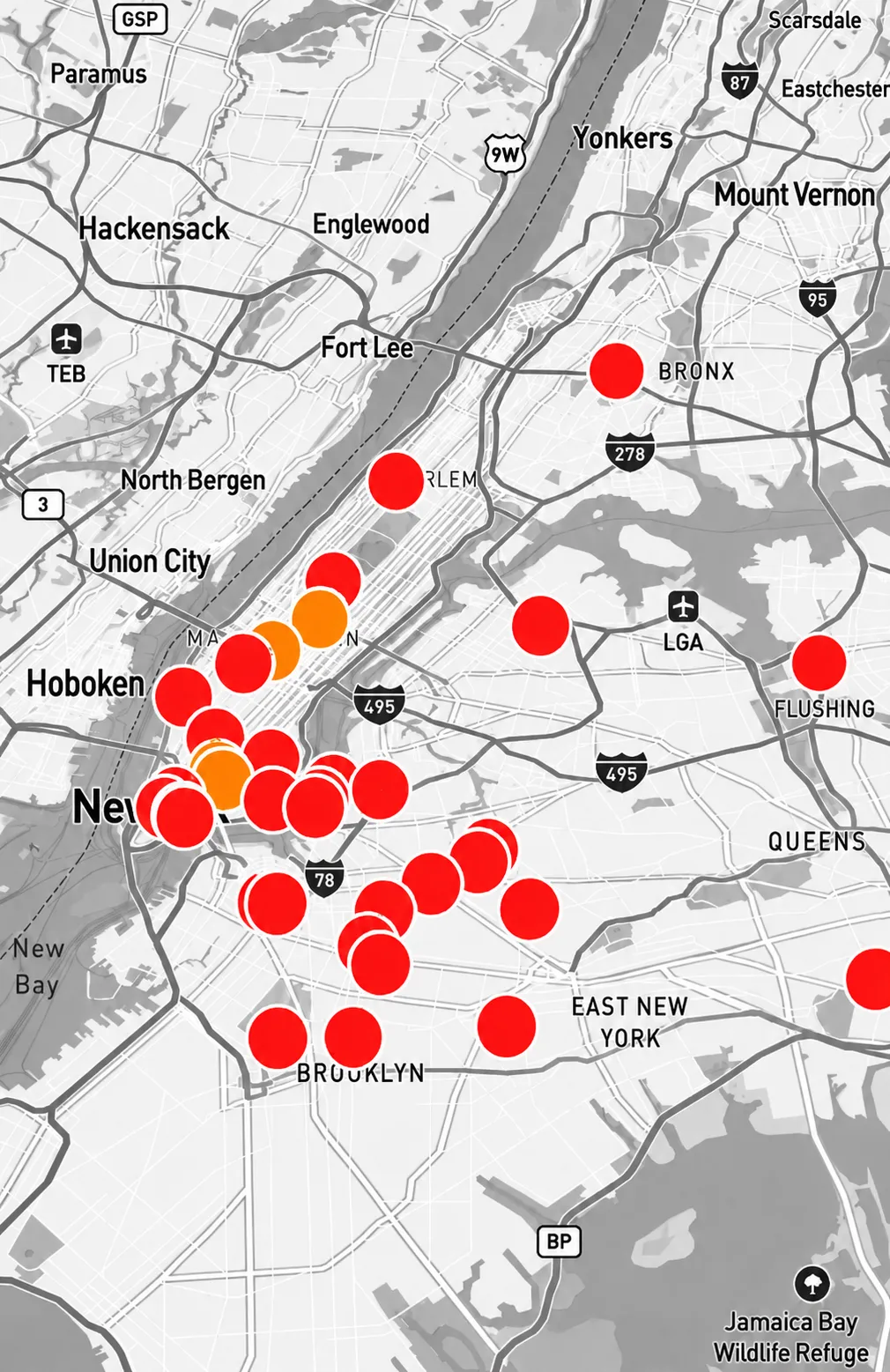
PULL does not remove every transaction. Artists pay to place and extend drops. What it changes is the listener’s exchange. Discovery asks for movement and curiosity rather than a subscription or admission fee. A street corner, café or venue can become the only place where a particular song exists for a particular period.
For a New York Music Crawl, PULL says it placed 35 songs across the city, turning the map into a route listeners had to travel. Streaming made almost every song available everywhere. PULL makes place matter again.
The street was already a stage
The principle is older than either project. Notting Hill Carnival grew from Caribbean cultural organising, anti-racist activism and efforts to bring a divided neighbourhood together. Its first outdoor festival in 1966 saw Russell Henderson’s steel band move through Portobello Road as residents gathered and danced behind it.
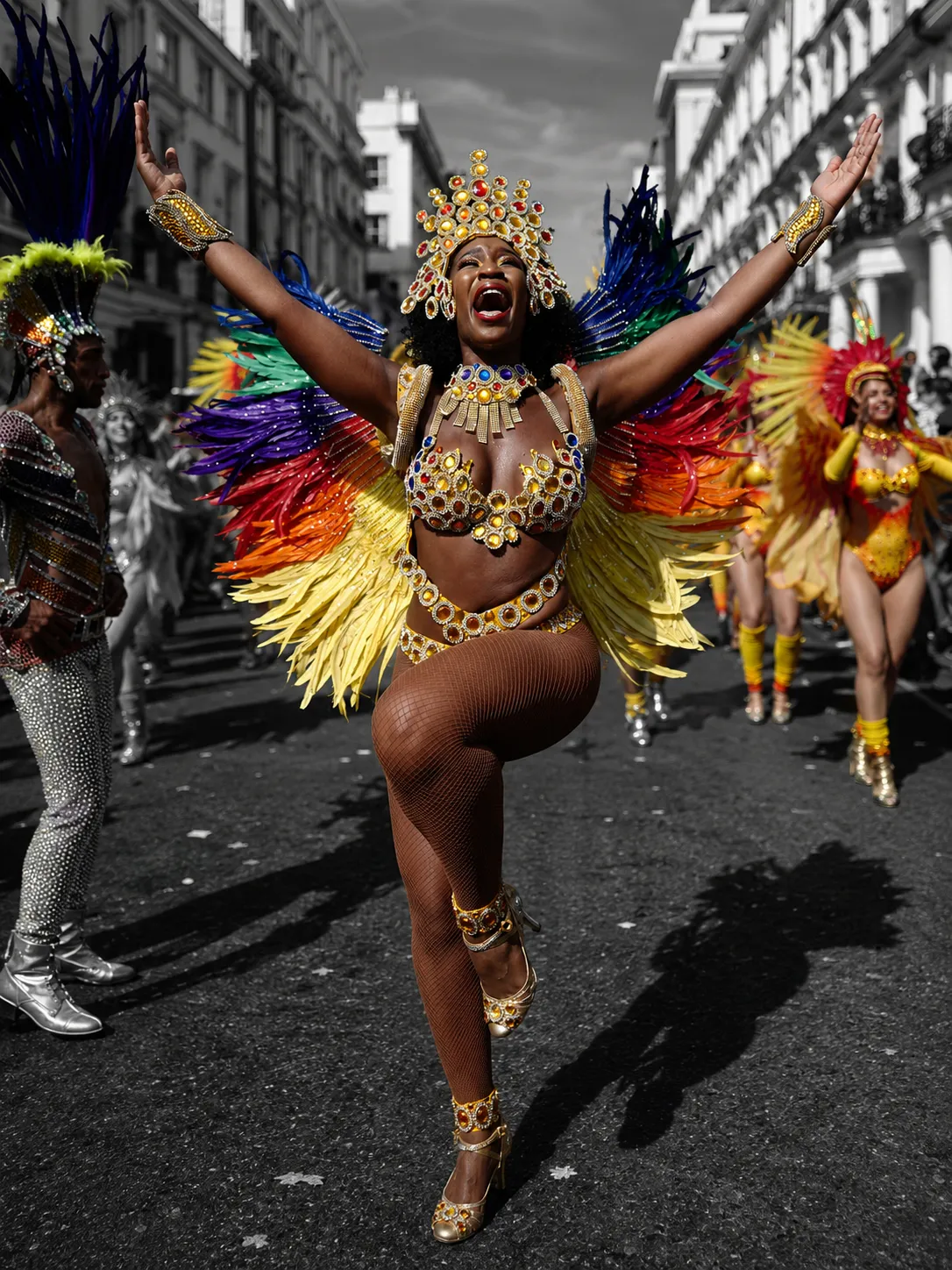
There was no conventional threshold between performer and audience. The street carried the music, and joining the crowd completed it.
Limitless Live and PULL use different tools, but both treat access as part of the creative work. One moves the cost away from the audience. The other attaches music to a place and asks people to go there. Neither abolishes every gate. They make a deliberate choice about which gate matters least.
A concert does not begin when the lights go down. It begins with the route that lets someone reach the room.