Dubai · City profile
Beyond the Bling
How Dubai is redefining its global image through culture, creativity and community. The rebrand is happening in real time.
15 July 2026
For years, Dubai’s global image was based on spectacle: supercars, influencers, mega-malls, luxury hotels. It made the city look like a playground for the rich, rather than a place where culture actually forms.
When regional conflict hit, Dubai’s safe-haven image came under pressure. The city moved quickly to protect its tourism, retail and financial hub status, but when the tourists thinned out, a new question emerged: what is Dubai when the influencers leave?
The answer was always there. Dubai’s story is about more than luxury. It’s about connections. Africa, Asia, Europe, the Arab world, the Americas: they all meet in Dubai. Its advantage is not only wealth. It’s location.
Independent ground
Alserkal Avenue showcases the city’s creativity. The Avenue brings together more than ninety independent creative businesses and is home to seventeen leading galleries. It’s home to Gooder, a skater-owned, community-driven facility built around an indoor skatepark. Gooder is an ecosystem: sport, food, retail and café, all drawing people together into a shared social space.
New cultural presence
Banaat FC is turning women’s sport into cultural presence. The women’s football club has become more than just a team. Their hub, a partnership with Nike and Translation, is a flagship for Arab women’s sport.
More than an avenue
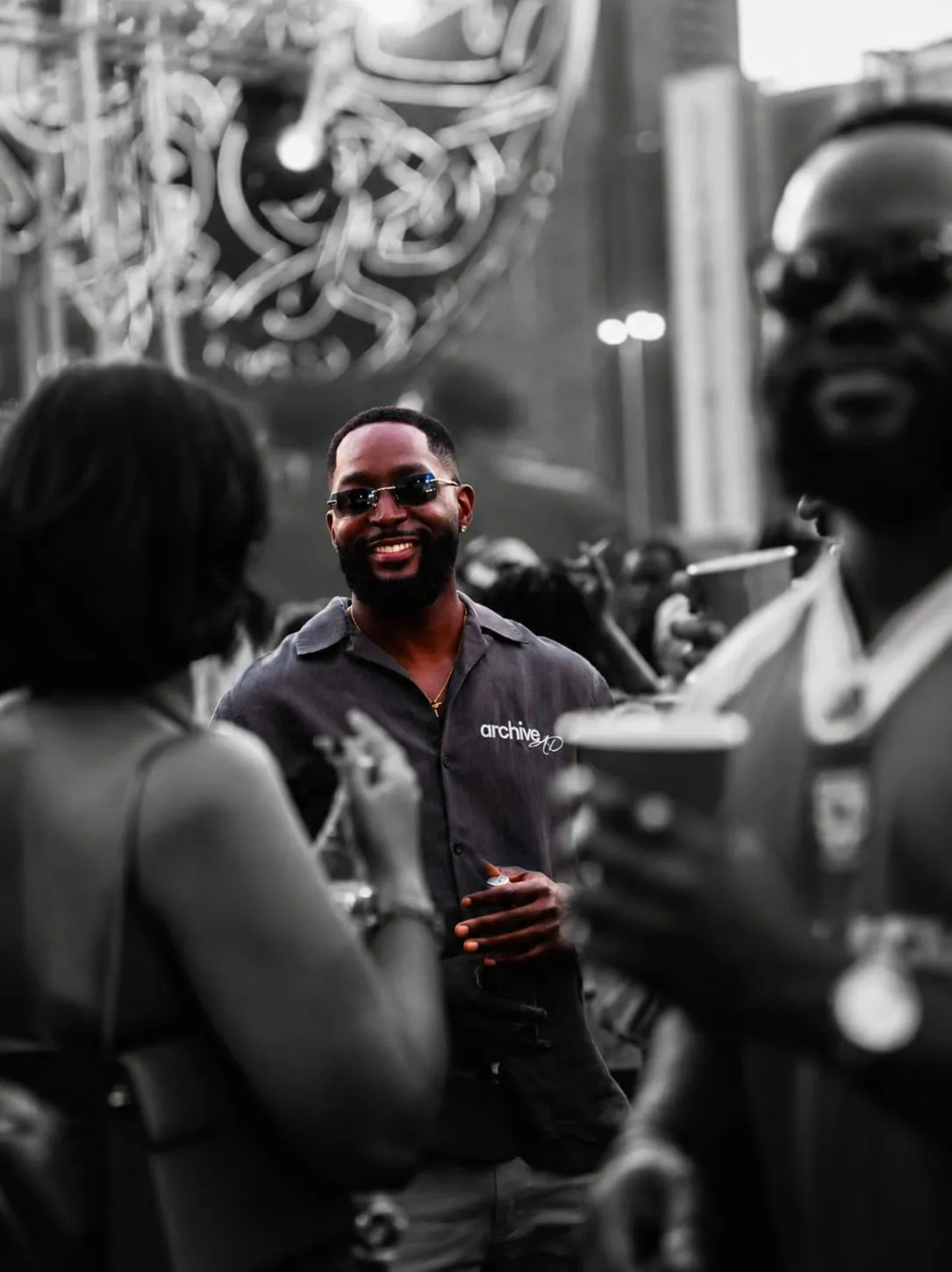
Dubai is a mosaic. In April 2026, The Cookout took place, featuring Caribbean rhythms, Afrobeats, DJs and barbecue food. The event proved that in a region defined by uncertainty, Dubai’s cultural advantage is not that it can avoid geopolitics. It’s that it can keep gathering people anyway.