Brooklyn · Fashion sponsorship
When the Brand Steps Back
At Brooklyn’s People’s Runway, Converse put shoes on the catwalk and money behind emerging designers. The product stayed visible, but the people and place carried the story.
21 September 2026
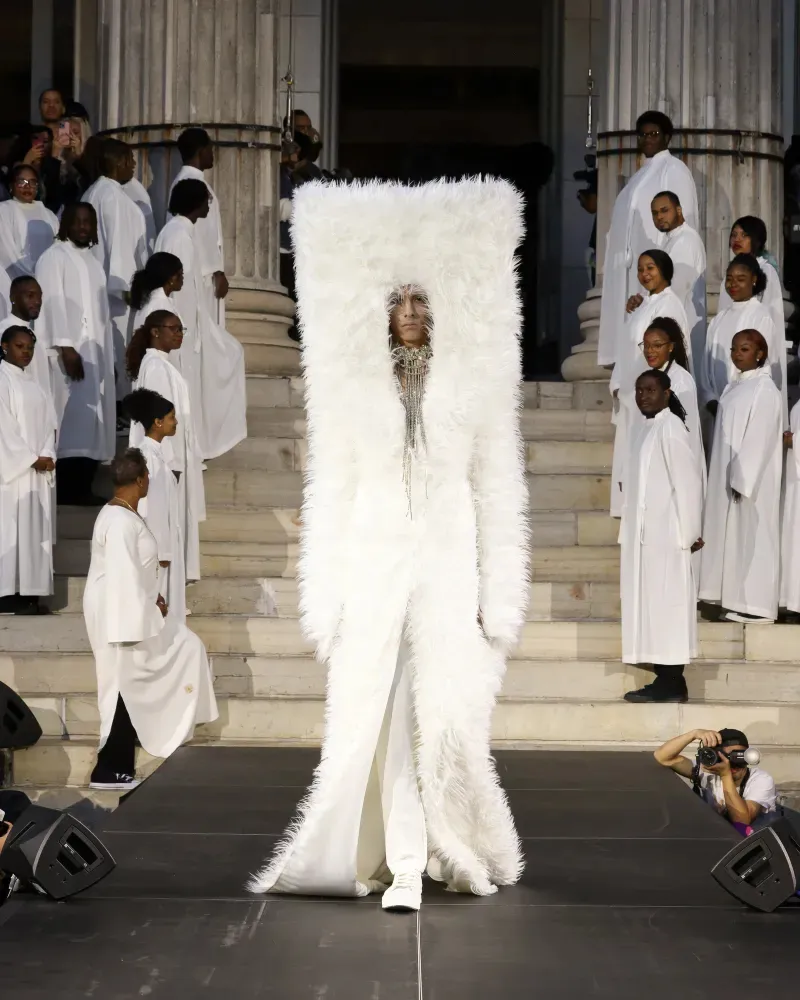
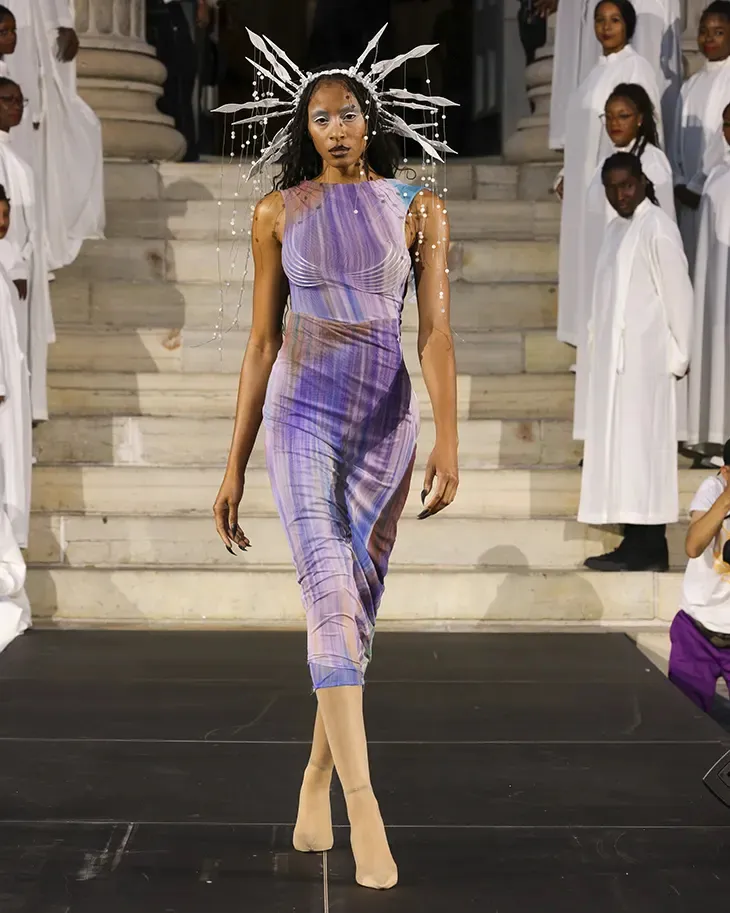
The steps of Brooklyn Borough Hall did not need a sneaker to become a stage. Kuai Li sent a red sculptural coat pouring down the stone. Laurel Tiange Fang translated moving water into clothes. Roderick Reyes covered garments with security tags, making the pressure to look “fly” heavy enough to see.
Converse was there. Its Chuck Taylor Throwbacks appeared across the collections, and the company was named as the People’s Runway’s exclusive footwear partner. Yet the shoes did not swallow the scene. The designers, the building and Brooklyn did.
Product placement became platform building
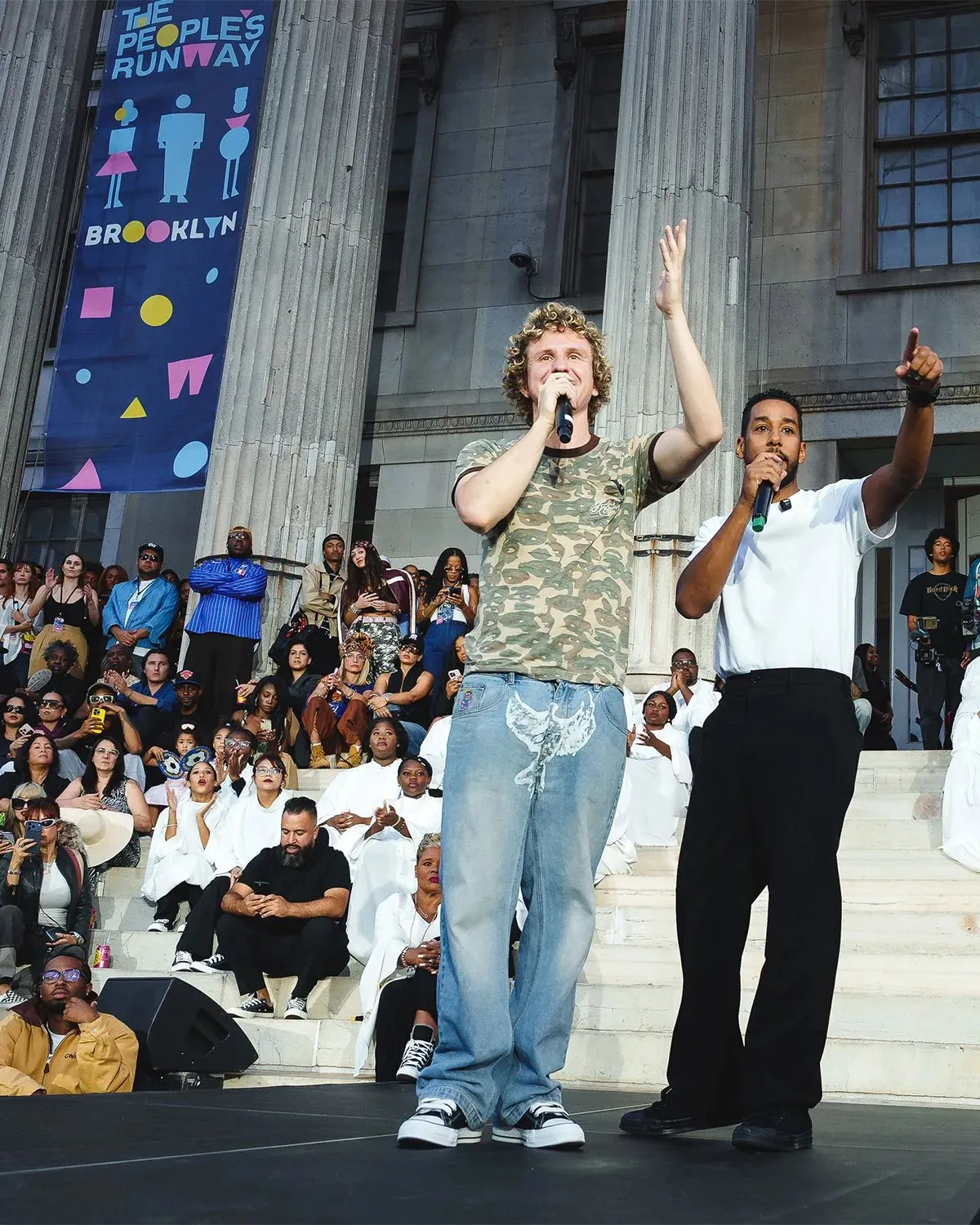
The People’s Runway joined the office of Brooklyn Borough President Antonio Reynoso with Colm Dillane, the founder of KidSuper and the borough’s arts ambassador. The selected designers received funding, mentorship and a place on New York Fashion Week’s official calendar. Converse supplied footwear and joined the funding structure alongside the borough and Cash App.
In 2026, we are no strangers to product placement or sponsorship, but the distinction matters. A conventional collaboration transfers a creator’s authority onto a product. Here, the useful asset was not only a shoe; it was access. Access to a runway, experienced advice, an audience and room for several distinct creative positions to coexist.
The less obvious question is what makes that access credible rather than transactional. Four experiments with football brand communities found that perceived sponsor authenticity shaped whether community identification led to advocacy and purchase intention. Although the research examines a different setting, it offers a useful lens: people may weigh what a sponsor provides against whether that provision feels credible. That is why the shape of Converse’s involvement matters more than its scale.
The arrangement was not Converse’s work alone. It belonged to a civic office, a local designer acting as a convenor, industry mentors, commercial partners and the designers themselves. Treating the brand as a quiet hero would simply replace one kind of dominance with another. Its role is interesting because it stayed in proportion.
From endorsement to infrastructure
Decades earlier, Run-DMC’s relationship with Adidas changed sportswear endorsement. The group already wore the shoes and made them part of its language. Once that attachment became a formal deal, brands learnt that musicians could carry commercial authority too.
The People’s Runway points towards a different use of that lesson. Instead of placing a famous name on a familiar silhouette and making scarcity the event, a footwear company helped support the conditions around emerging work. The product remained visible, but it did not have to become the plot.
This is not a clean break with marketing. Sponsorship still offers association, imagery, access and a place inside the memory of an event. A smaller logo does not settle how those benefits are judged.
The value of staying in proportion
What can be assessed is the shape of the participation. Converse did not name the runway after itself or make its branding the backdrop for the story. Independent reports could describe the collections and the performances without turning into product copy. The official account still made the company’s contribution clear.
That balance offers a useful standard for brands entering a cultural space. Bring resources that the people in the room can use. Make the commercial relationship legible. Do not confuse funding the platform with owning what happens on it.
That structure matters. A field study of 44 sports sponsorships and a follow-up experiment found that deal terms shaped inferred motives. Regional proximity and longer relationships were read differently from high fees and naming rights, which suggested calculation. While sport is not fashion, and the findings cannot prove Converse’s motive or this audience’s response, they show why a partnership’s form communicates alongside its logo.
At Borough Hall, Converse crossed the runway on other people’s feet. The stronger gesture was leaving enough room to see where those designers wanted to go.