US · Music collecting
The CD player is optional
As CD sales rise, some fans are buying an object to collect as well as music to play. K-pop's collectible albums have a precedent in comics, and critics among their own fans.
14 October 2026

US buyers took home 16.3 million CDs in the first half of 2026, up 16% on the same period last year, according to Luminate figures reported by Consequence. The more curious detail concerned the equipment. Stereogum reported that around half of the Gen Z and Millennial CD buyers in Luminate’s research don’t own a CD player.
The reporting doesn’t give the full survey detail, so take that as a clue to the trend, not an explanation of every purchase. It does raise a useful question: what is an album worth when playing it is optional?
A 2025 study of US K-pop CD buyers by Waleed Rashidi offers one answer. Of the 99 people who answered its playback question, 45 said they didn’t play their K-pop CDs. Others used computers, car stereos and DVD players. This was a small online sample, not the same survey, but buyers described collecting photocards, displaying albums and supporting artists alongside listening.
An album you can trade
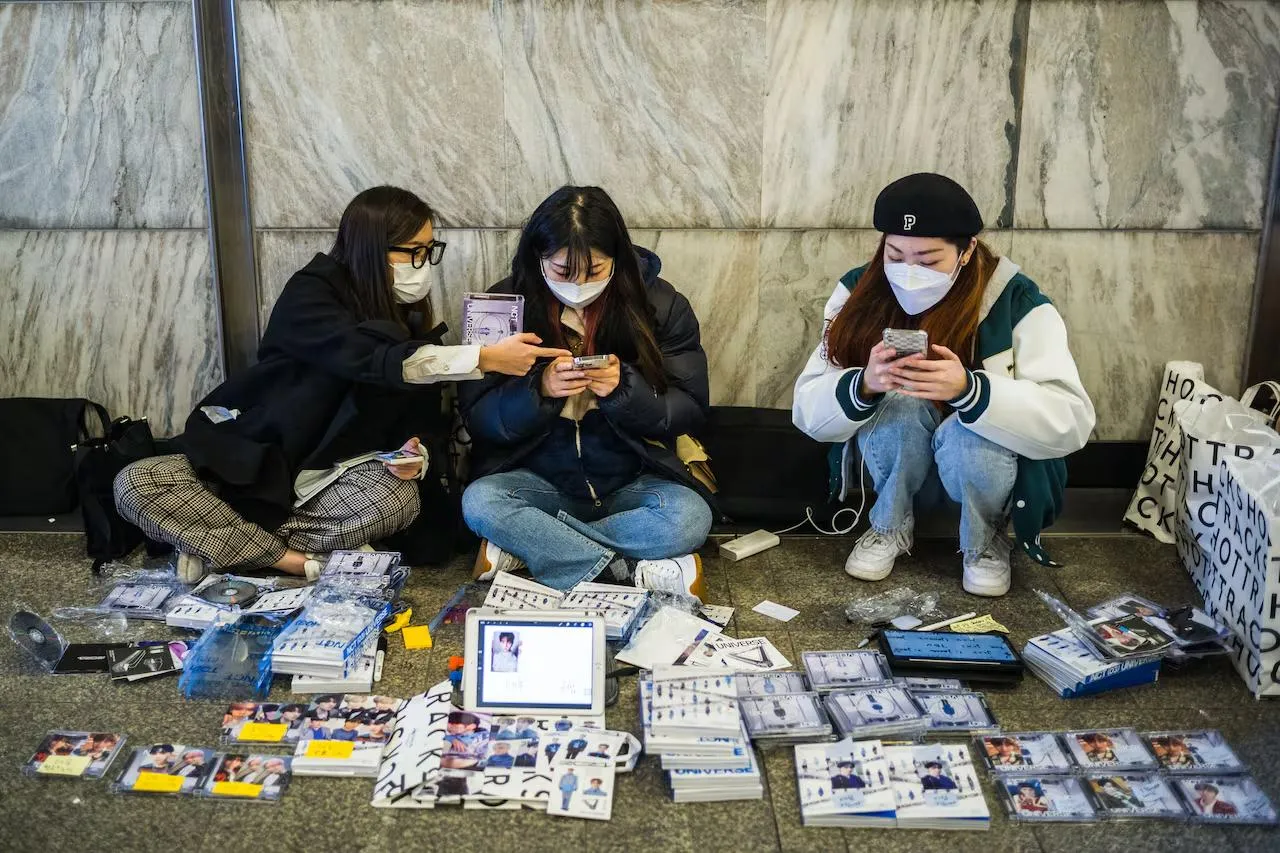
A K-pop album can arrive as a box holding a disc, a photobook and a photocard. Some contents are chosen openly, such as a version built around one member. Others are left to chance. Rashidi’s participants describe collecting random photocards, so a purchase can become the start of a search, with duplicates available to swap.
The package gives fans things to do together after the music is released. A card can change hands; a photobook can stay on display. The recording remains part of the album, but it doesn’t have to account for everything a buyer values.
As a whole, this extends beyond K-pop. CD sales grew 6.7% even with the genre taken out, according to the same Luminate reporting. Superfans (sometimes called ‘stans’) can unite around their favourite artists’ merch, from photobooks to tour T-shirts. Research on music memorabilia describes how these objects express fan identity and shared tastes. For example, Taylor Swift promoted photocards in the CD editions of The Life of a Showgirl, Teen Vogue reported.
Same issue, five covers
Over in another niche, comics developed another market around the printed object. In 1991 Marvel published X-Men #1 with five covers: four images that joined into one scene and a fifth gatefold edition. Guinness World Records lists it as the best-selling single edition of a comic, at 8.1 million copies across the covers.
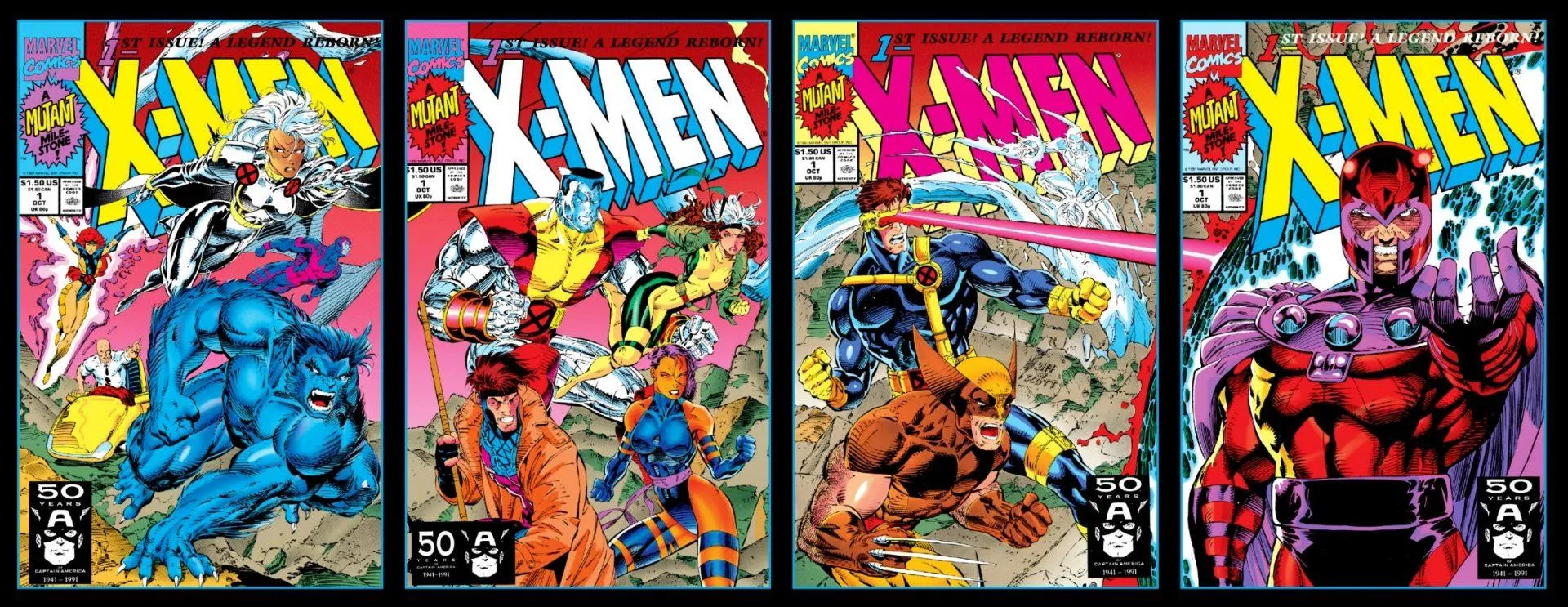
A reader could buy the issue once. Collecting the covers offered a reason to buy it again. Publishers could build on an attachment to characters and artwork by giving fans more editions to own. This isn’t the only place we see strategies that reimagine the use of a single product.
Across the cultural arts, familiar work can return through a slightly different offering, giving fans a fresh reason to pay attention. Musicians re-release singles with new artists featuring on them: Khalid’s Young Dumb & Broke remix with Rae Sremmurd and Lil Yachty is one example. Paintings and sculptures can be shown in different contexts, inviting new readings of familiar work. Tate Britain’s rehang paired historical and contemporary works to open up those connections. Research on art viewing also shows that the setting can change how people experience a work.
For 1990s-era Marvel, a new reason to collect didn’t mean the lights would stay on forever. In December 1996, after several years of decline in its comics business and amid a dispute with bondholders over a financial rescue plan, Marvel filed for Chapter 11.
Turning back to our subject, K-pop’s album packages cultivate a similar interest in what surrounds the work. Random cards add a different incentive: another copy offers another chance at the member a collector wants. Trading gives fans a way to pursue that card without buying the album again.
Collectors can be critics too
In May 2024 Kpop4Planet, a fan-led climate group, launched Plastic Album Sins, aimed at HYBE, JYP, SM and YG. Its targets include random photocards, multiple album versions and fan-sign lotteries that it says encourage duplicate purchases. By October 2024, the organisers reported more than 10,000 petition signatures.

Speaking to GMA Integrated News in 2025, campaigner Nayeon Kim placed responsibility for changing those marketing practices on companies rather than fans.
The CD revival holds both developments: fans finding more uses for an album, and some of those fans challenging the incentives to keep buying it. Collecting has given the format another life, and some of the fans sustaining it want a say in its terms.
The CD was built for listening. Sony’s history of its first CD player presents the format as high-fidelity digital audio. Listeners have since found plenty of other ways to press play, yet the format has picked up new jobs. For some buyers, a CD is a way to stay close to an artist, show support and build a collection with other fans. Many still play theirs. For others, the disc is one inclusion in the package they actually want, sitting alongside the photobook and the card. The CD has stayed in people’s hands by changing what it means to own one.