Singapore · Creative scenes
Can Singapore Design Cool?
Singapore knows how to plan and polish a city. New Bahru and The Panic Room show why its cultural life needs both curation and character.
27 July 2026
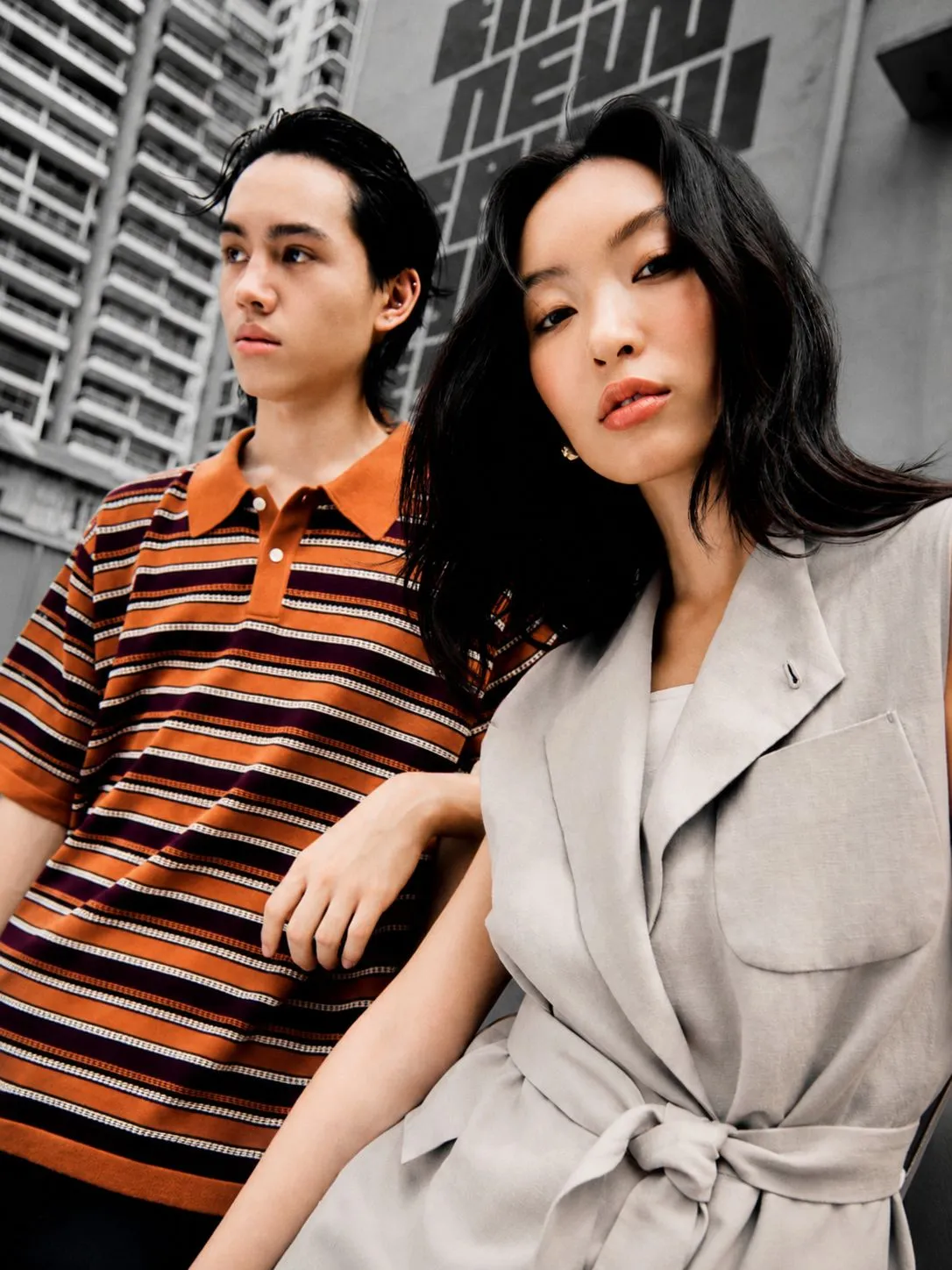
Singapore can design a city. Its streets work, its skyline is composed and its public image is famously polished. Cool is harder. It cannot be planned into existence with the same confidence as a transport network or a new district. It needs taste, but it also needs friction: people making their own rules, in spaces that feel lived in rather than newly arranged.
Two creative hubs offer very different answers to the same question. New Bahru presents contemporary Singapore at its most considered. Across town, The Panic Room makes the case for everything that cannot be tidied up.
A platform built with care
Built inside a former high school, New Bahru brings together more than sixty brands across retail, food, wellness, arts and culture. Local names including Good Addition and Soilboy sit alongside international brands such as Veja and Beams. The mix gives emerging businesses a generous stage and gives visitors a coherent view of what modern Singapore can look like.
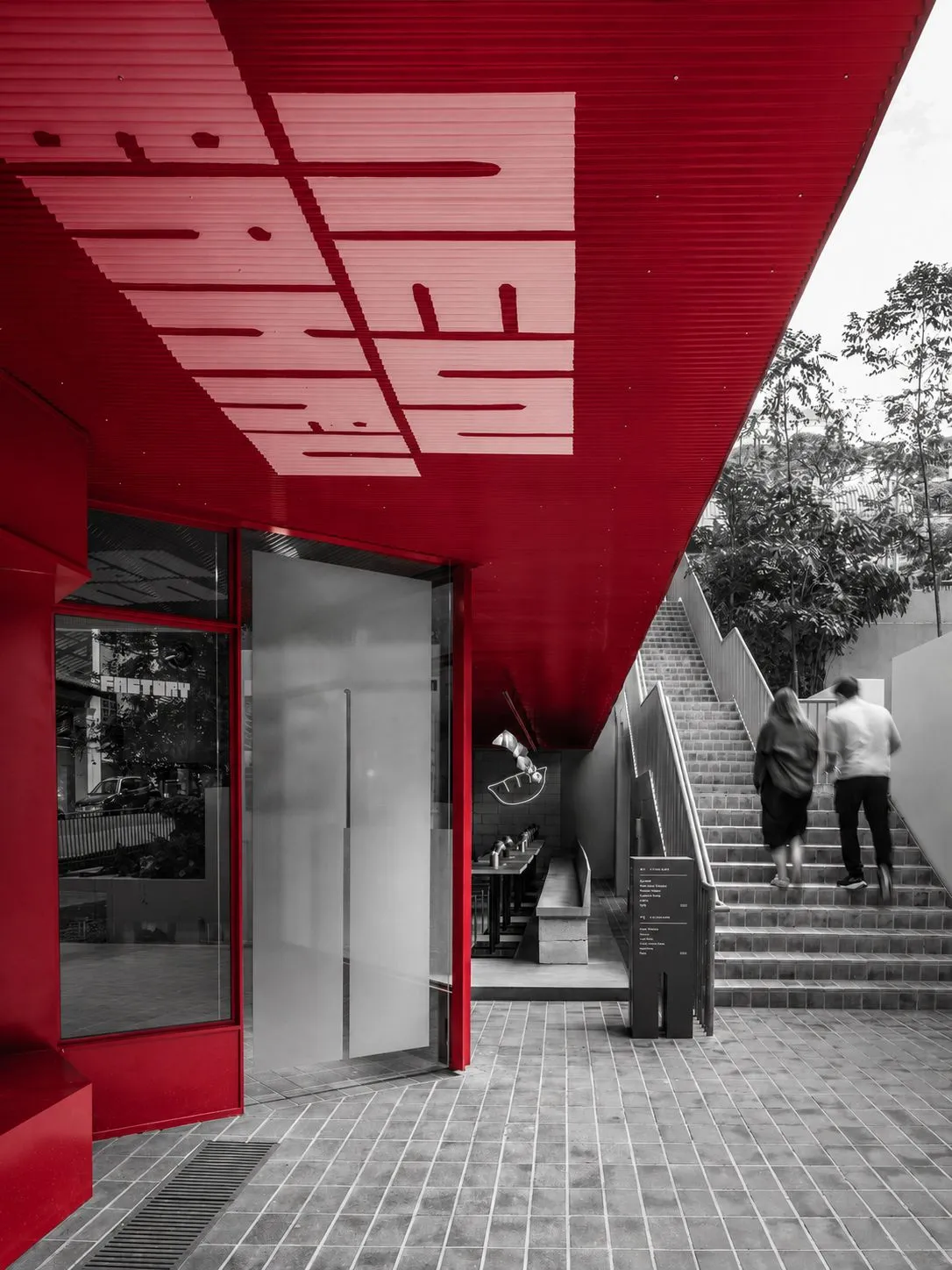
That coherence is the point. New Bahru is beautifully designed, carefully curated and easy to read. Its brands share a polished visual language made for image-conscious consumers. Curation turns separate shops and restaurants into a destination, and lets the whole feel more significant than any one tenant.
Culture that accumulates
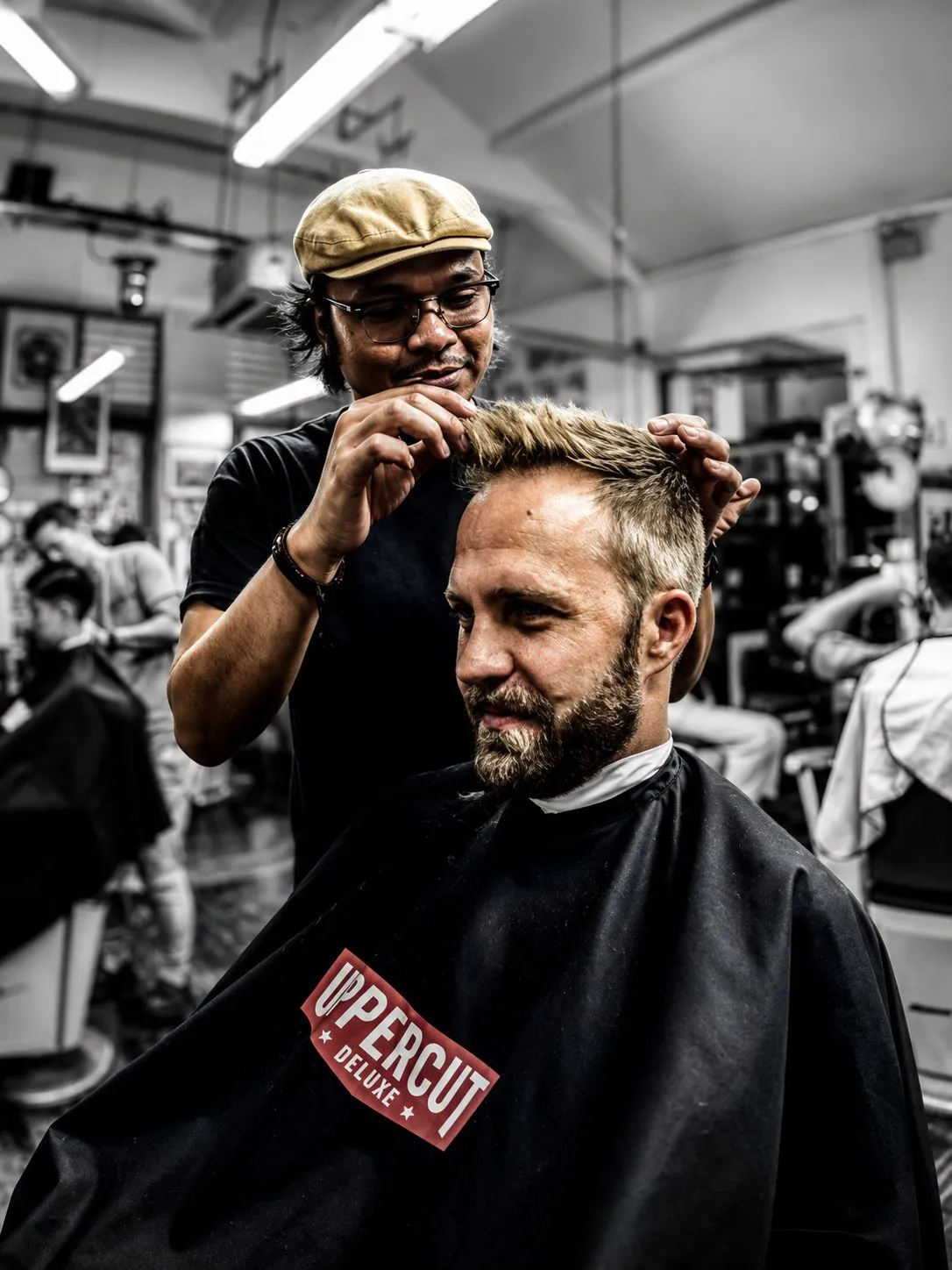
The Panic Room offers a different kind of authority. It began as a mobile barbershop and grew into an eclectic counter-cultural hub rooted in rockabilly, skate and street culture. Barbering, music, humour and retail share the same crowded frame. Nothing feels arranged to complete a moodboard. The place has accumulated its identity through the people who spend time there.
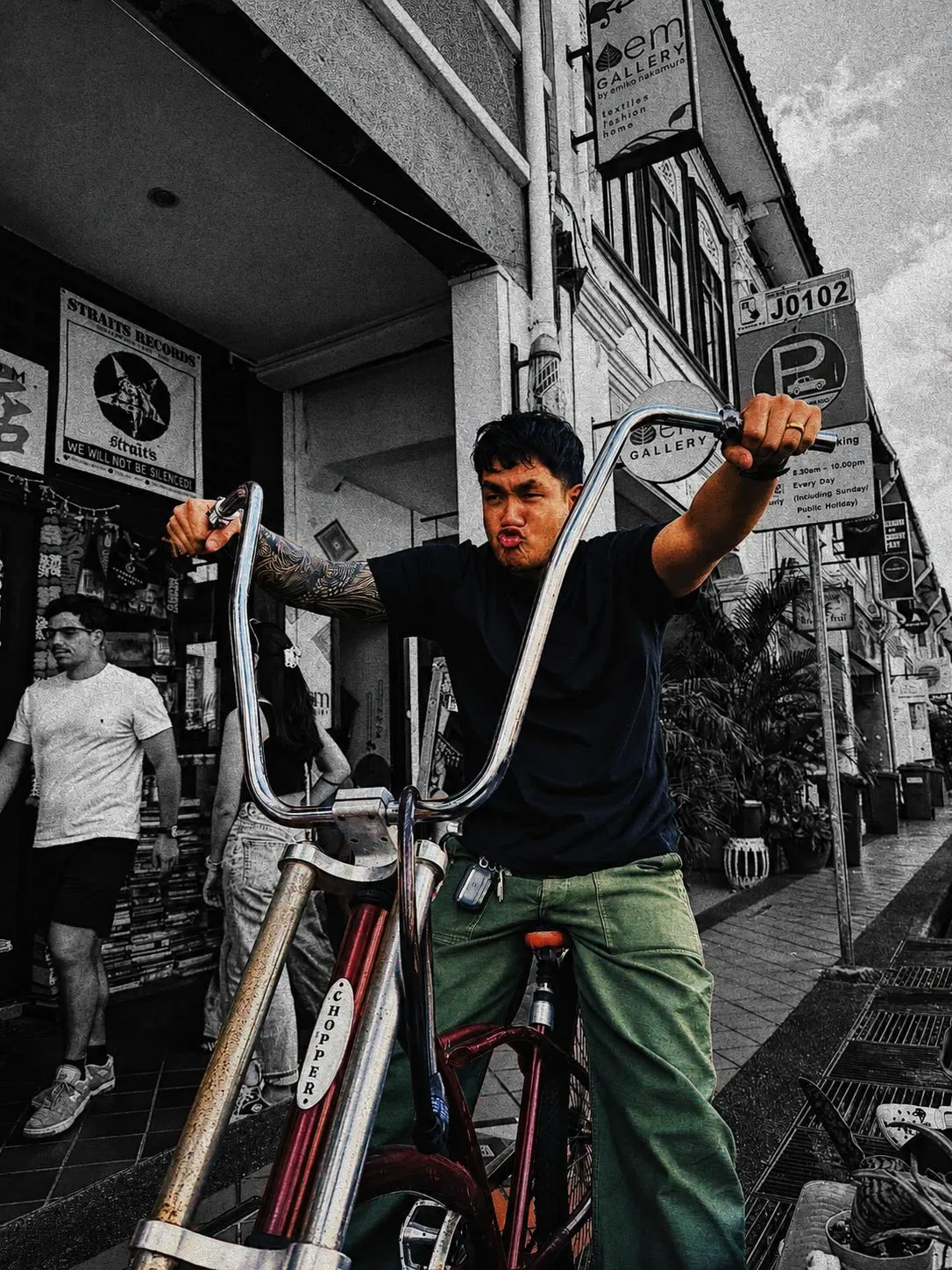
Its voice is equally direct. The shop calls its tight family the “hustling sonofaguns” and talks to customers with the affectionate bluntness of a friend who has known them for years. The jokes are not a layer of brand tone applied afterwards. They are evidence of a real social world.
Singapore needs both
New Bahru and The Panic Room represent two different visions of culture. One gives emerging brands a highly designed platform that reflects contemporary Singapore. The other protects the independent, irreverent identities that have long existed beneath the city’s polished surface.
The useful question is not which one is more authentic. A healthy creative city needs places that gather new work into view and places that let identity grow without asking it to match. Singapore can design cool, but only when it leaves enough room for cool to design itself.